The Bohemian Grove: Cremation of Care
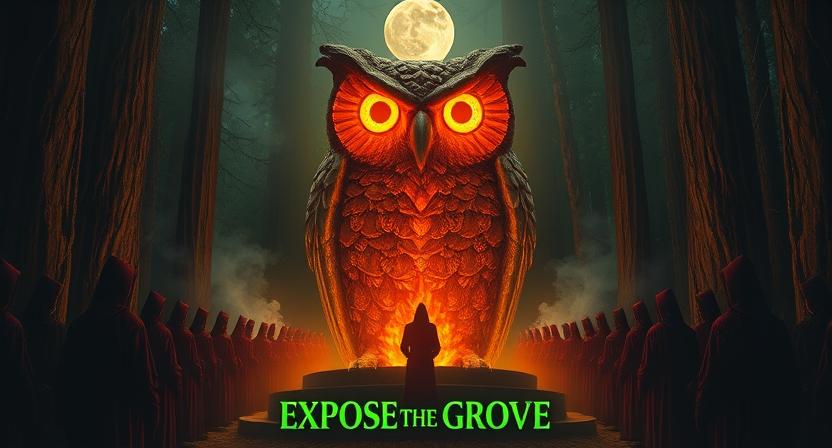
Every July, the most powerful men in the world gather under the redwoods of Northern California. They burn an effigy of a child before a 40-foot stone owl.
Alex Jones famously infiltrated the Grove in 2000 and filmed the ritual. The footage is unedited and undisputed seen above. The members' response was that it is "satirical theater." Alright.
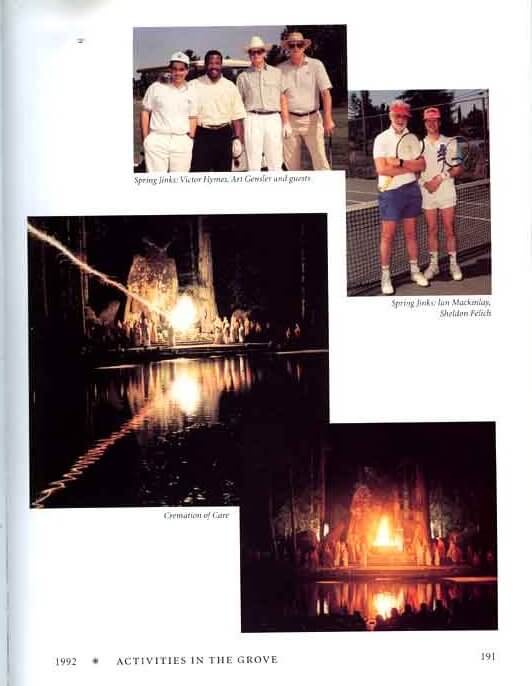
Founded in 1872, the Bohemian Club is a private men-only club whose summer encampment at Bohemian Grove (Monte Rio, California) draws sitting and former presidents, defense contractors, oil executives, intelligence chiefs, and senators every July for two weeks.
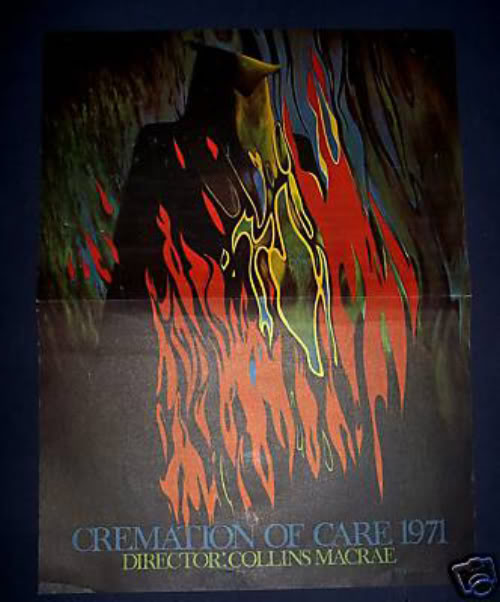
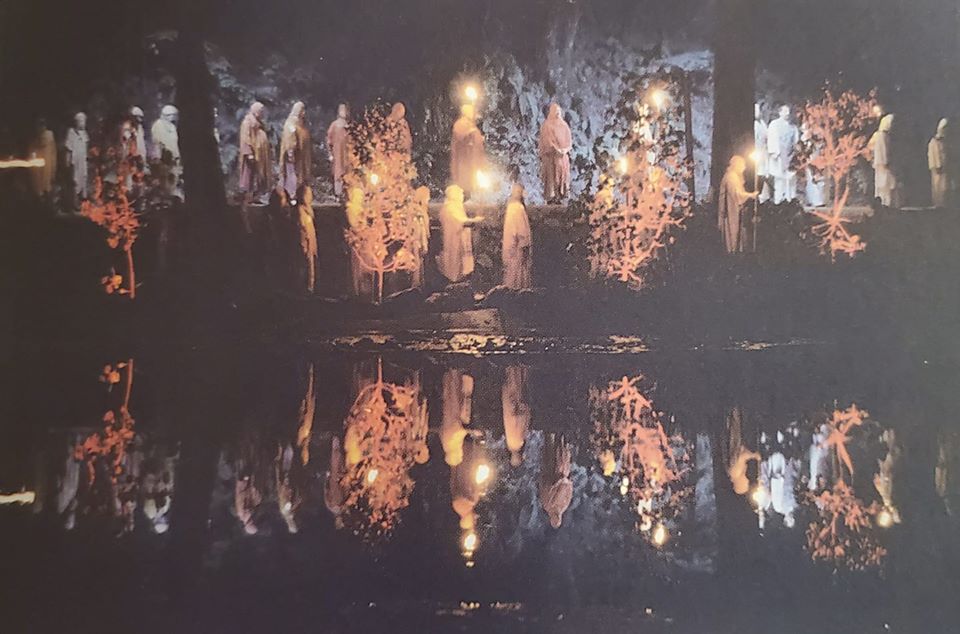
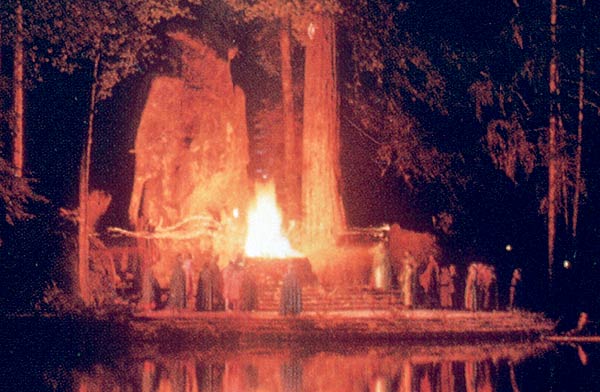
The opening ritual - the Cremation of Care - involves a procession of robed members, an effigy bound on a funeral pyre, and an incantation delivered before a 40-foot concrete owl that the members call Moloch. (Moloch, for those keeping score, is the Canaanite deity to whom children were sacrificed in the Hebrew Bible.)
The Cremation of Care ceremony according to Peter Martin Philips relates to Bacchus (a Roman false god which is better known as the Greek false god of Dionysus. Dionysus is the god of wine, sexual freedom, and ecstatic freedom). Sir Francis Dashwood would have a role of Bacchus/Dionysus in his own rituals of the Hell Fire Club. The "do what you will" quote, inscribed above the main entrance of the Medmenham Abbey where many of Dashwood’s rites were performed, served as an inspiration for Aleister Crowley.
Dashwood visited many European royal courts in his younger years, ultimately becoming Chancellor of the Exchequer and a member of the Queen's Privy Council (in 1761). The Cremation of Care ceremony portrays the Grove members as being afraid of Care. The ritual wants to rid of Care. Care is posing as a mocking spirit in the Cremation of Care ritual. These actions go back to the Druids *2, Babylon, Greece, etc. Philips’s 1994 Ph.D dissertation about the Cremation of Care outline the following:
“…The Cremation of Care Ceremony was produced as a play in 1920, wherein a High Priest standing before a huge pre-historic alter, is confronted by Dull Care wrapped in the chains but not dead because Bacchus, the only warrior Care fears, is truly dead... Care responds: 'Call Bacchus from the grave... long as he is dead. I sneer at Great Bohemia! Aha! Aha!'... Good Fellowship then takes the torch from the priest at the alter and burns Care in his prison, thereby purging the 'demon Care from the sacred Grove.' This ceremony has been rewritten on several occasions but the theme is still the same."
— (1994, Peter Martin Philips, 'A Relative Advantage: Sociology of the San Francisco Bohemian Club' [Ph.D. dissertation])
The Cremation of Care ceremony is a theatrical ritual performed annually at the Bohemian Grove in Monte Rio, California, a secluded campground used by the elite, primarily members of the Bohemian Club—an all-male private club based in San Francisco.
Origins and Theme
The ritual was first introduced in 1881, but the 1920 version marked a more formalized and dramatic presentation of the theme. The ceremony symbolizes the banishment of worldly stress and moral responsibility, embodied as "Dull Care," so the members can fully indulge in what they call "the midsummer High Jinks."
In the ceremony:
- A High Priest, sometimes flanked by a chorus or other priest figures, stands before a towering effigy of an owl, representing wisdom and the club's patron symbol.
- The figure "Dull Care" is represented as a dark, menacing entity, shackled but still alive.
- When Dull Care mocks them, saying "Call Bacchus from the grave..." he ridicules the idea that true liberation or joy (embodied in Bacchus, god of revelry) still exists in modern society.
- Eventually, Good Fellowship, or another character representing revelry or inner light, casts the torch into the effigy's prison, symbolically burning away Care.
- The death of Care is then celebrated, signaling a break from concern, duty, and restraint.
The symbolic killing of Care is not about violence, but about detachment from responsibility—particularly public responsibility. Many have interpreted the ceremony as a kind of ritualistic license that grants the elite emotional permission to escape accountability for a brief time.
Evolution
Over the years, the ceremony has been revised, shortened, and modernized, but the core remains:
- Care is personified.
- The grove is "sacred."
- Fire is used to purge or destroy Care.
- The owl, typically 40 feet tall, looms as a silent, watching entity—representing both detachment and elite knowledge.
Context and Criticism
Critics and researchers have examined this ceremony as emblematic of how powerful figures compartmentalize their ethical burdens. Some conspiracy theories claim this ritual has occult overtones or political undertones. While there's no evidence of literal occultism, the symbolism is undeniably rich:
Richard Nixon called it "the most faggy goddamn thing you could ever imagine." (His words, on tape.)
- A mock human sacrifice.
- Esoteric references.
- Use of classical mythology (Bacchus, Care).
- A clear division between those "inside" the Grove (the initiates) and the rest of the world (those under the weight of Care).
Notable participants in Bohemian Grove have included U.S. presidents, corporate titans, media moguls, and high-ranking military officers. What happens beyond this symbolic ritual is typically shrouded in secrecy, as the Grove enforces a strict no-press, no-cameras policy.
Whatever it is - take a long look at the guest list, the symbolism, and the secrecy, and decide for yourself why the people who run the world need to gather in secret to watch a child be burned in effigy.



More from Secret Clubs
Bohemian Grove 2026 Is in Its Live July Window
Nembutal: Harmless Cocktail or something more sinister
Bohemian Club Member Jay Halcomb - Obituary
